

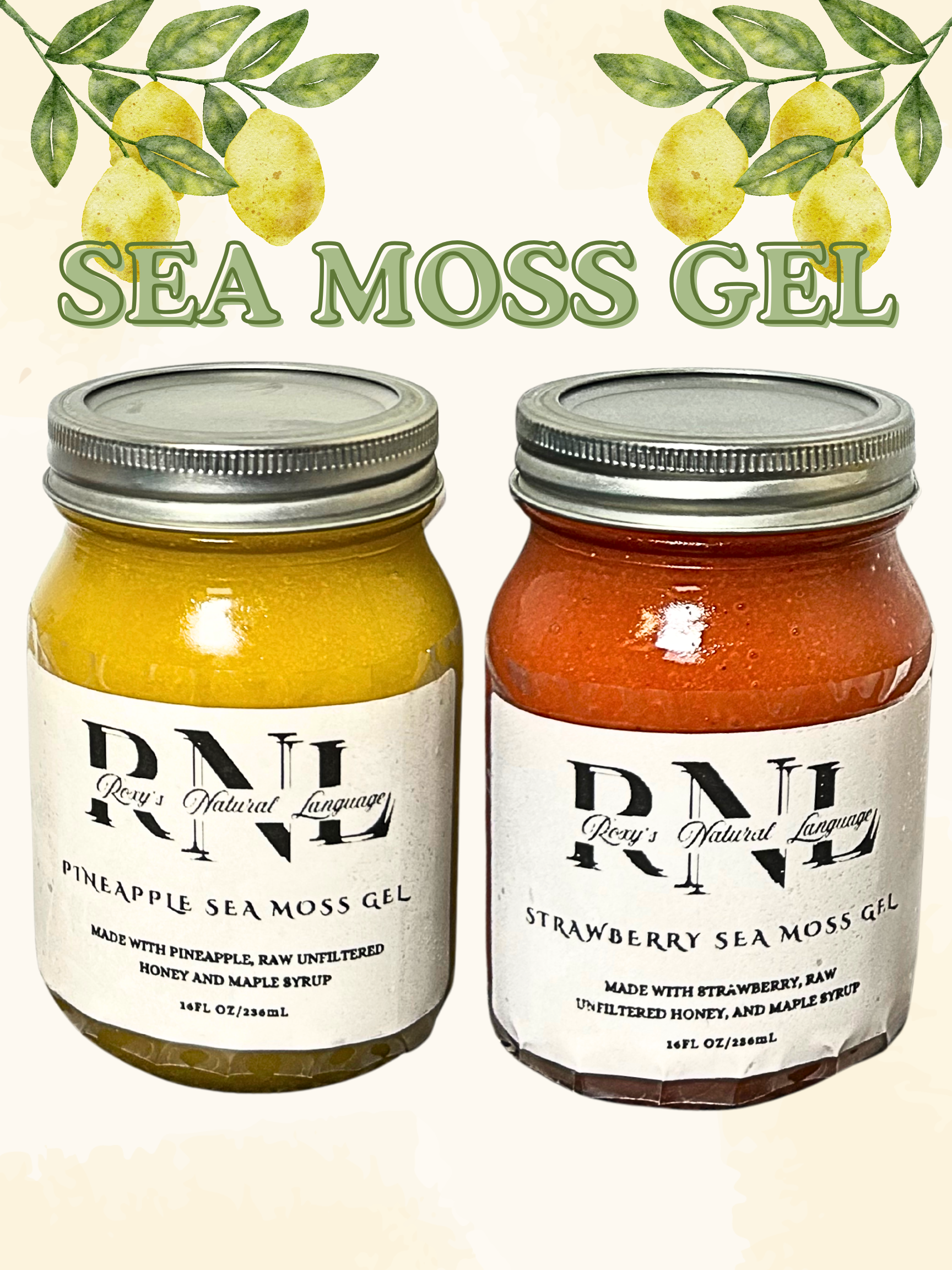
 Image 1 of 8
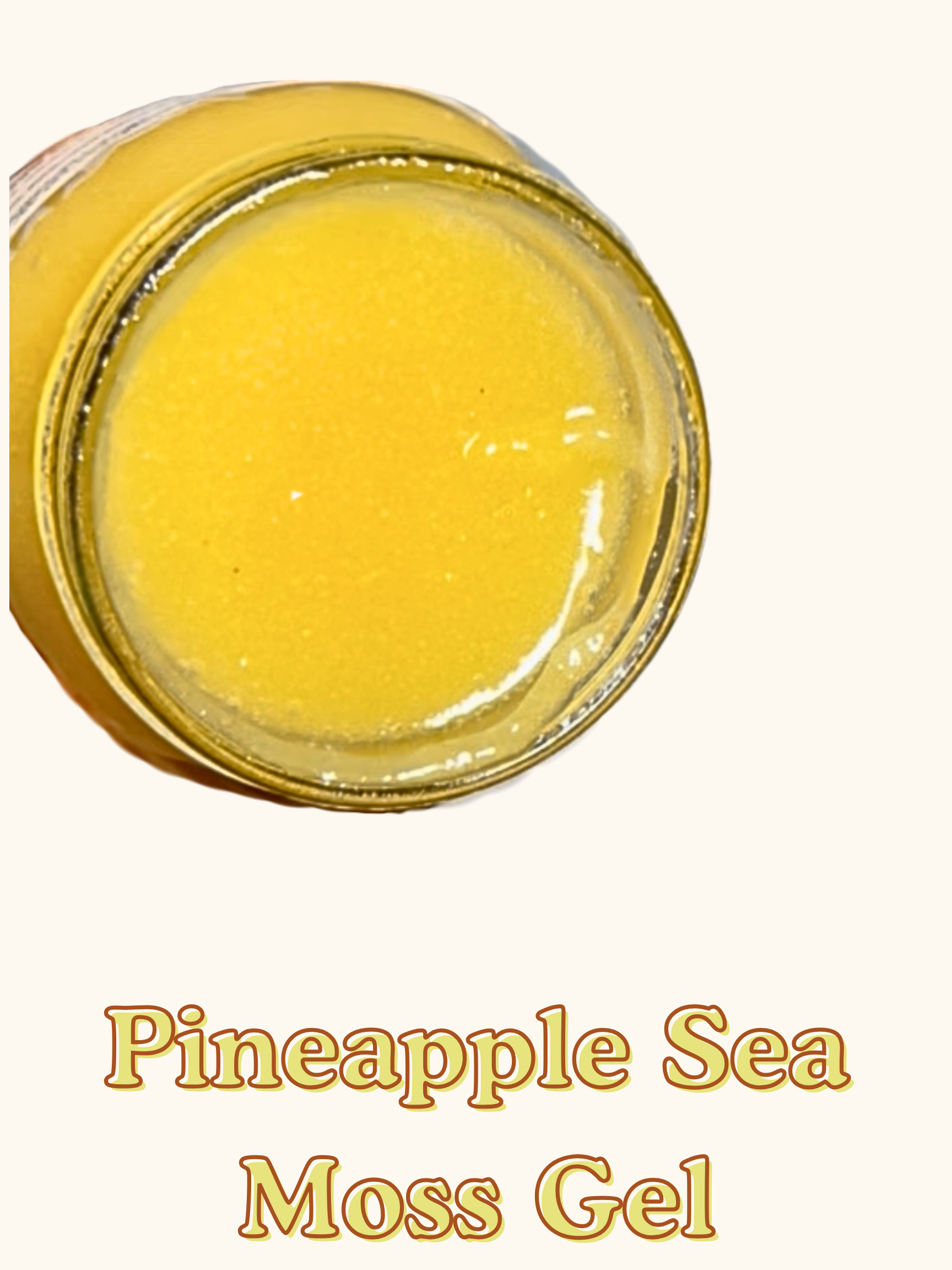 Image 2 of 8
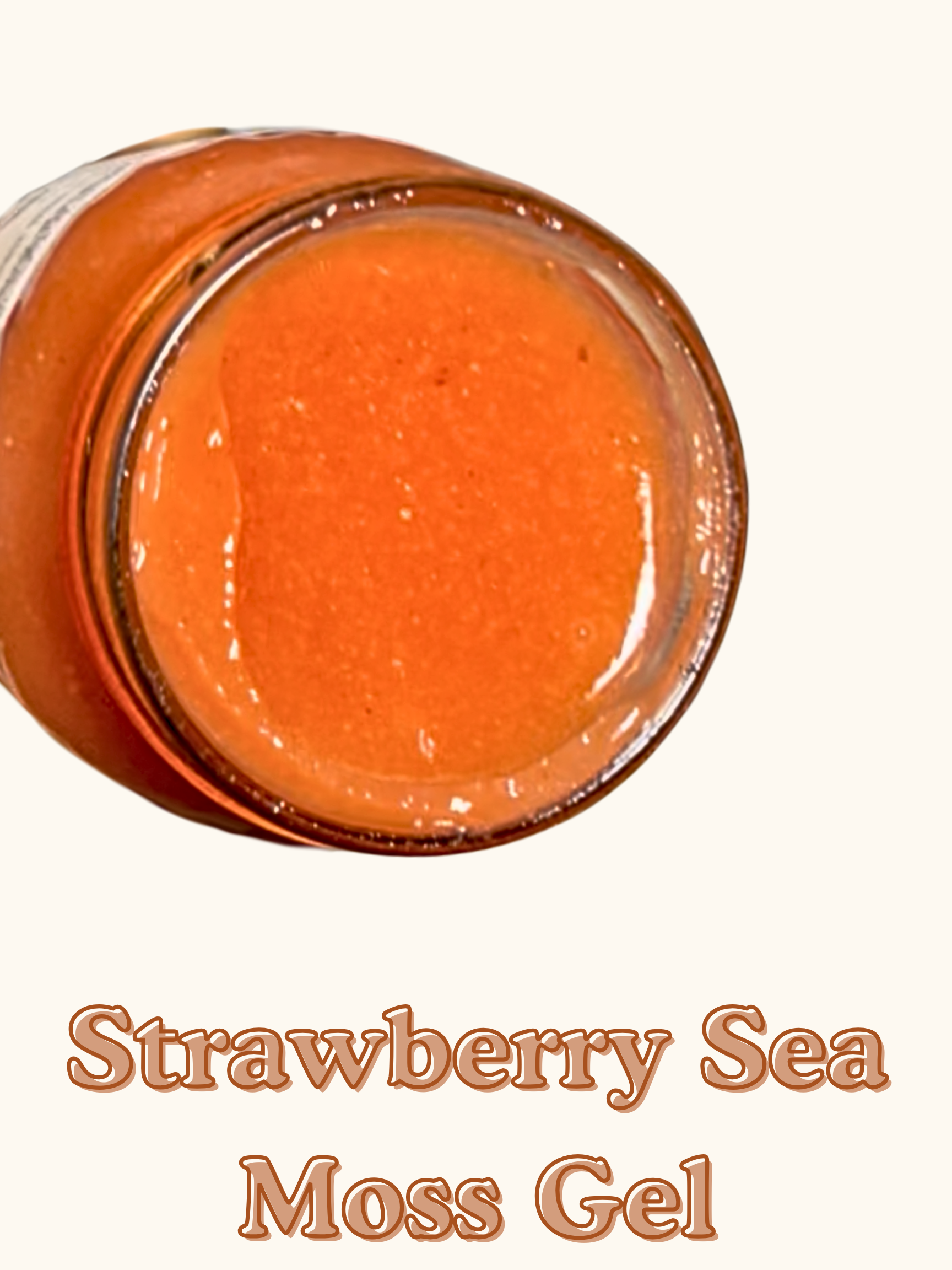 Image 3 of 8
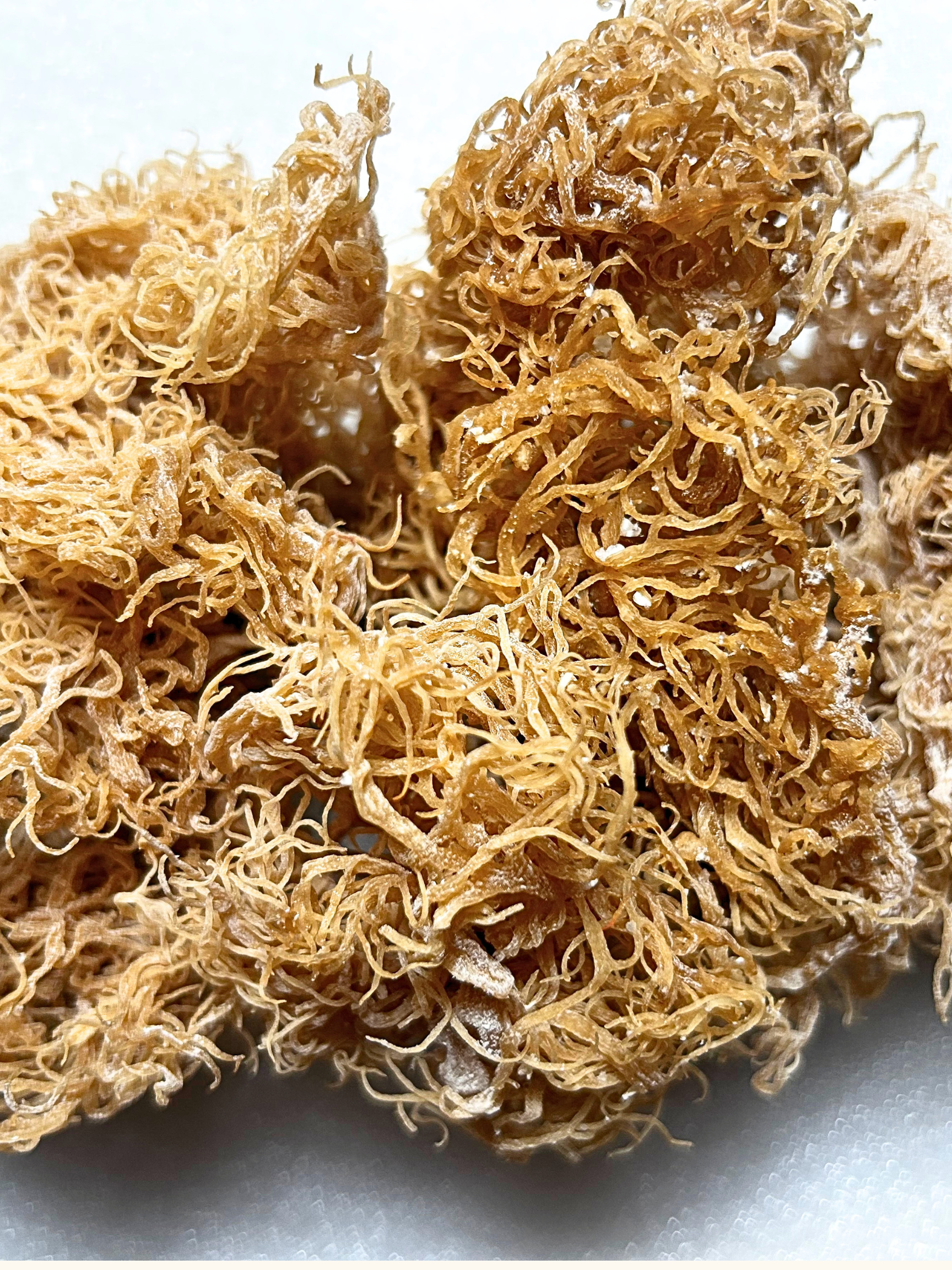 Image 4 of 8
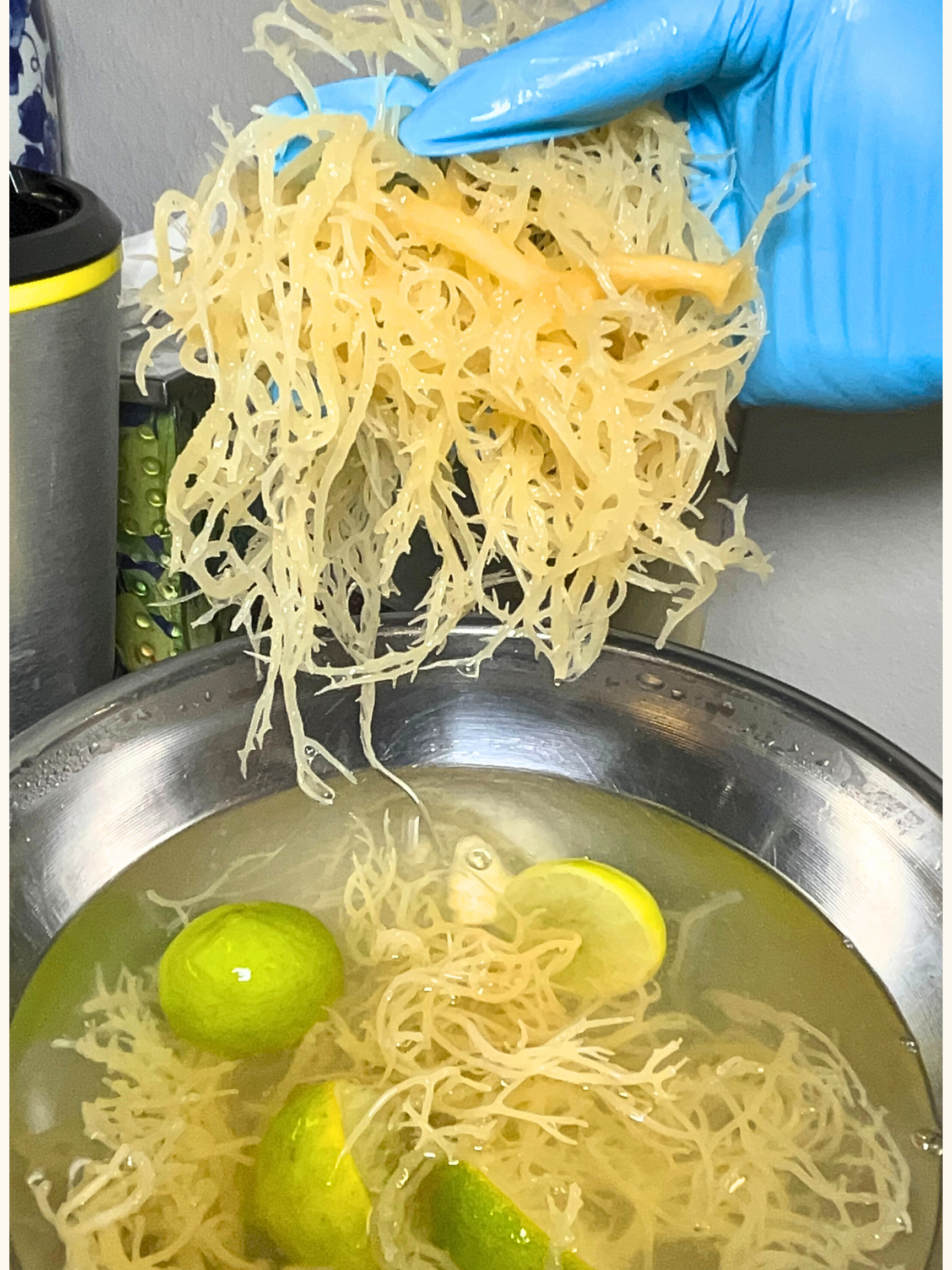 Image 5 of 8
 Image 6 of 8
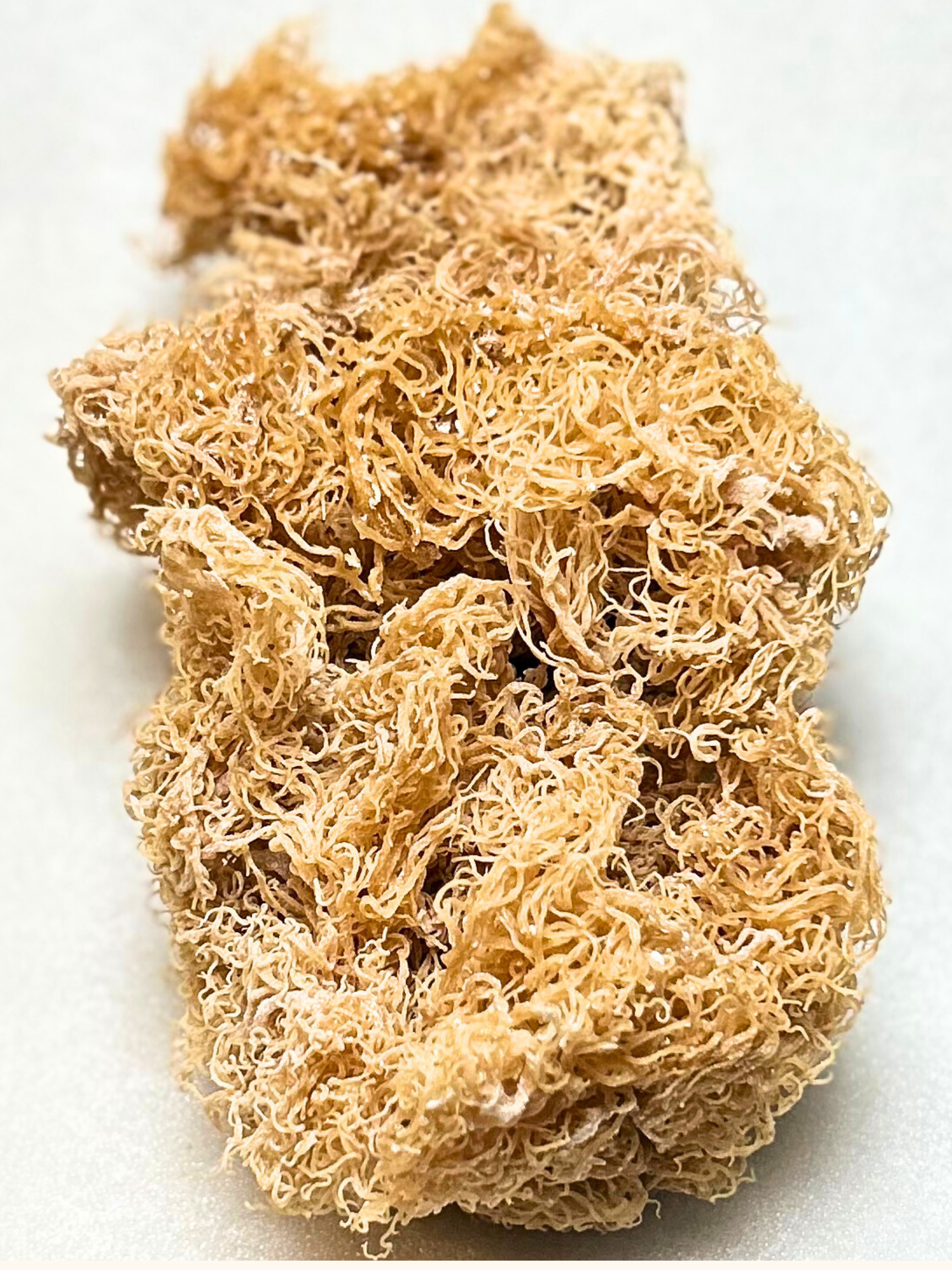 Image 7 of 8
 Image 8 of 8
Wild Crafted Sea Moss Gel


What Is Sea Moss?
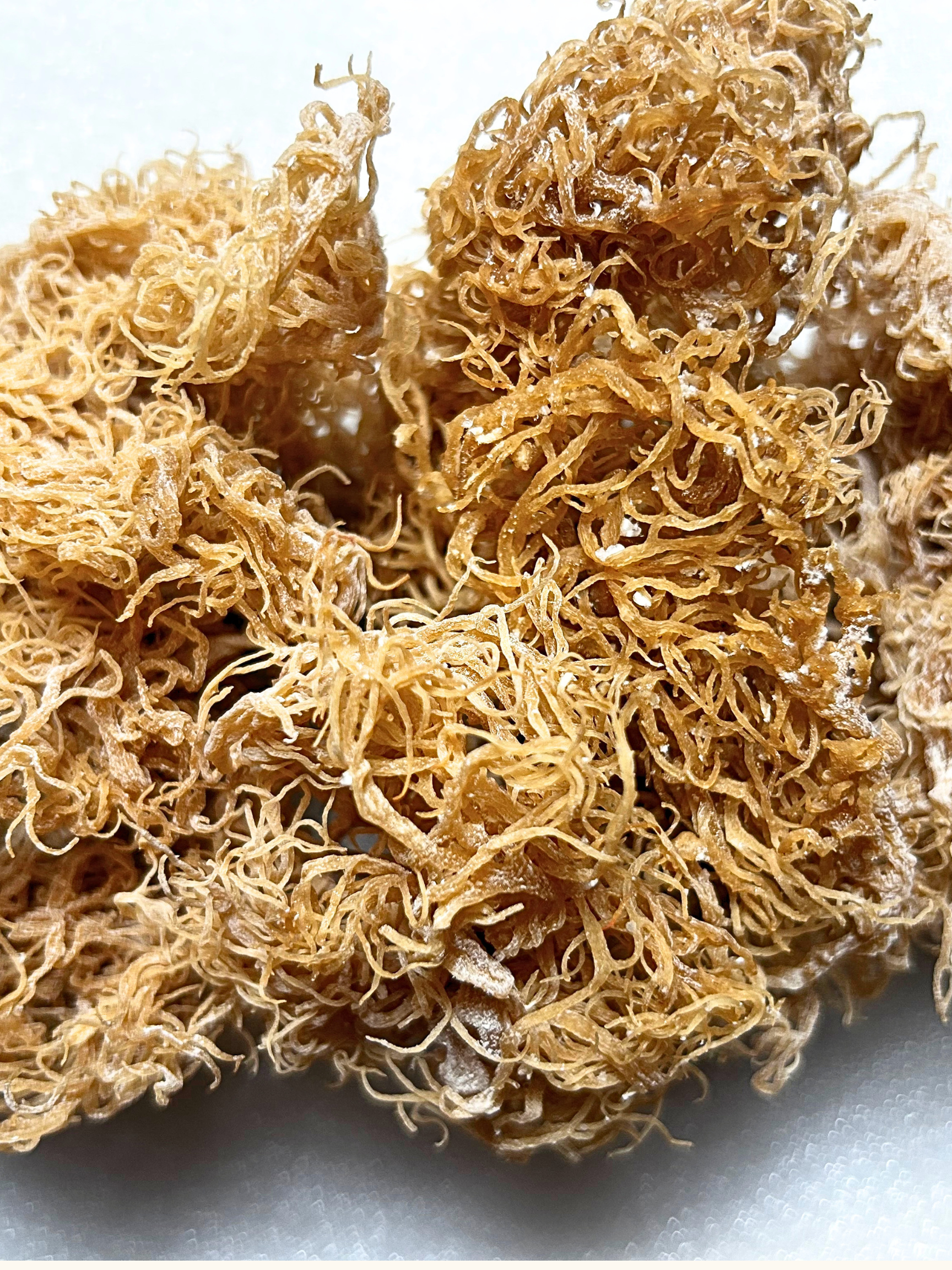
Sea Moss is a type of seaweed or algae. Macroalgae have long been used in human diets and medicine around the world. Algae are ancient photosynthetic organisms, dating back 3.5 billion years. Carrageenan is the thickened gelatin structure created once sea moss is broken down. It is used as a vegan food additive and in commercial food production industries as thickeners, stabilizers, and emulsifiers.
Macroalgae can be categorized into three taxonomic groups, namely red algae (Rhodophyta), green algae (Chlorophyta), and brown algae (Heterokontophyta), determined by their respective color pigments. Chondrus Crispus (commonly referred to as Irish sea moss), Gracilaria (commonly known as Jamaican sea moss) and Eucheuma Cottonii (commonly referred to as gusô) are several types of sea moss like golden St. Lucian sea moss.
Sea Moss is found along the coasts of the Atlantic, primarily between North America and Europe, in the warmer waters of Asia, South America, and Africa and some parts of the Caribbean.
Sea Moss Benefits
105 chemical constituents have been reported from Irish (Red)Sea Moss
Algae produce high quantities of secondary metabolites, including sesquiterpenes, diterpenes, triterpenes.
Carrageenans offer biological activities that include: antiAIDS, antiatopic, antibacterial, anticancer, anticoagulant, antidiabetic, antifungal, antithrombotic, antioxidant, antitumoral, anti-venom, antiviral, cytoprotective, immune stimulating, neuroprotection, nephroprotective, and procoagulant activities.
Seaweeds are considered a nutrient-rich food and offer several bioactive compounds such as, vitamins (A, B1, B2, B9, B12, C, D
, E, and K), essential minerals (calcium, iron, iodine, magnesium, phosphorus, potassium, zinc, copper, manganese, selenium, and
fluoride), dietary fibers [1,2,3,4], protein, essential amino acids, polyphenols, sterols, alkaloids, flavonoids, tannins, proteins with
essential amino-acids, polyunsaturated fatty acids, peptides, lipids, pigments, fibers, and polysaccharides, etc. These bioactive
compounds provide not only protection to seaweeds, but also a high nutritional value and several benefits for humans.
Helps to alleviate, diverticulitis, skin allergies, digestive disorders, arthritis, diabetes, autoimmune, ocular and cardiovascular diseases.
Improves digestion, thyroid function, improve gut health, weight loss, lower blood pressure, joint and bone health, boost your
immunity, workout recovery, and promote clear skin and healthy hair, women’s and men’s health.
Don’t take more than the recommended dose. It’s highly addicting! 4 grams of sea moss per day is typically safe — but you
should still check with your healthcare provider before taking sea moss or any nutritional supplement.
If you already have hyperthyroidism or hypothyroidism, don’t take sea moss unless specifically advised by your healthcare provider.
Source
https://pmc.ncbi.nlm.nih.gov/articles/PMC3837755/
An Overview to the Health Benefits of Seaweeds Consumption - PMC
https://pmc.ncbi.nlm.nih.gov/articles/PMC5541486/
Seaweed and human health - PubMed